Buy jadacki.eu ?
We are moving the project
jadacki.eu .
Are you interested in purchasing the domain
jadacki.eu ?
domain@kv-gmbh.de · 0541-91531010
Buy jadacki.eu ?
What does l'homme de la nature et de la vérité mean?
L'homme de la nature et de la vérité means "the man of nature and truth" in French. This phrase refers to a person who is in tune with the natural world and seeks to live in accordance with truth and authenticity. It conveys the idea of someone who values simplicity, honesty, and a deep connection to the natural environment. This concept is often associated with the Romantic movement in literature and philosophy, which emphasized the importance of nature and the pursuit of truth. **
What is the difference between de, de la, du, des, and de?
The difference between de, de la, du, des, and de lies in their usage with different nouns. "De" is used before masculine singular nouns, "de la" before feminine singular nouns, "du" before masculine singular nouns starting with a vowel or silent "h," and "des" before plural nouns. "De" is also used before verbs and expressions of quantity. **

Similar search terms for La-Aroma-de-Cuba
Top-Angebote
Products related to La-Aroma-de-Cuba:
-
La Biosthetique La Biosthétique Homme Eau De Toilette 50mlFresh, green, spicy, only slightly floral and with a tonka-leather-musk woody base note. The fresh top note is composed of bergamot, elderberry, pink pepper, lime and grapefruit, perfectly harmonised with the soft heart note of water lily, orchid, jasmine, clary sage and rose. A masculine base note of warm, earthy scents of vanilla, cashmere wood, cedarwood, moss, musk and ambergris completes the perfume. Eau de Toilette Homme emphasises the individual personality and is thus the perfect complement to the Homme men’s care range from La Biosthétique.65,50 £*Shipping: 0,00 £Secure redirect to the provider

-
Who was Jean de La Fontaine?
Jean de La Fontaine was a French poet and fabulist who lived in the 17th century. He is best known for his collection of fables, which were written in verse and often featured animals as characters to convey moral lessons. La Fontaine's fables are still widely read and studied for their wit, humor, and timeless wisdom. He is considered one of the greatest French poets of his time and his work continues to be celebrated for its enduring appeal. **
-
What does "La Marquise de Pompadour est la maîtresse de Louis XV" mean translated into German?
"La Marquise de Pompadour est la maîtresse de Louis XV" translates to "Die Marquise von Pompadour ist die Geliebte von Louis XV" in German. **
-
When do you use "de, de el, del, and de la" in Spanish?
In Spanish, "de" is used to indicate possession or relationship between two nouns, for example: el libro de Juan (Juan's book). "De el" is contracted to "del" and is used when the noun following it is masculine singular, for example: el libro del estudiante (the student's book). "De la" is used when the noun following it is feminine singular, for example: la casa de la abuela (the grandmother's house). These prepositions are used to show possession or relationship between two nouns in Spanish. **
-
Why does De La Soul do that?
De La Soul is known for their innovative and unique approach to hip-hop music, often incorporating eclectic samples, playful lyrics, and unconventional song structures. They do this to push the boundaries of the genre and create music that is both thought-provoking and enjoyable. Their willingness to experiment and take risks has allowed them to remain influential and relevant in the hip-hop community for decades. **
When do we use du, de la, de l', and des?
We use "du" when referring to masculine singular nouns, "de la" when referring to feminine singular nouns, "de l'" when referring to singular nouns starting with a vowel or silent 'h', and "des" when referring to plural nouns. These articles are partitive articles used to indicate an unspecified quantity or part of something. For example, "du pain" (some bread), "de la salade" (some salad), "de l'eau" (some water), and "des fruits" (some fruits). **
When do we use au, aux, de, de la, and des?
We use "au" when referring to a masculine singular noun, "aux" for a plural noun, "de" for a singular noun without a specific article, "de la" for a singular feminine noun, and "des" for a plural noun. These prepositions are used to indicate possession, origin, material, or destination in French sentences. It is important to match the preposition with the gender and number of the noun being referred to. **
Top-Angebote
Products related to La-Aroma-de-Cuba:
-
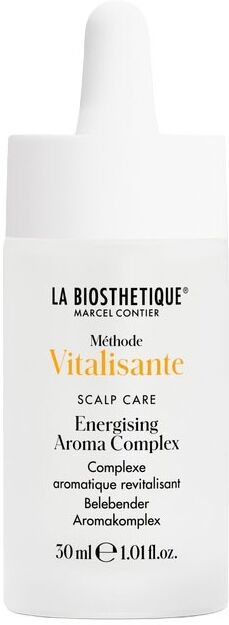
La Biosthetique Energising Aroma ComplexRejuvenate your scalp and hair with this advanced aroma complex, designed to harness the therapeutic benefits of pure essential oils. This invigorating formula works to stimulate vital scalp functions and deeply regenerate dry skin, restoring balance and health from the roots. Ideal for those seeking a revitalized feel, it transforms your hair care routine into a spa-like experience that promotes both physical and mental well-being.The carefully selected botanical oils provide a cooling and refreshing sensation upon application, leaving your scalp feeling energized and nourished. By targeting dryness and improving skin elasticity, this treatment helps create the optimal environment for healthy hair growth. Experience the power of nature as the invigorating scent provides an immediate sense of refreshment and relaxation.Perfect for all hair types needing a boost, this essential oil blend is a must-have for maintaining a healthy scalp. Elevate your self-care ritual and enjoy the lasting benefits of a hydrated, regenerated scalp and a profound sense of well-being with every use.Ingredients:Alcohol Denat., C9-12 Alkane, Neopentyl Glycol Diheptanoate, Parfum (Fragrance), Coco-Caprylate/Caprate, Linalool, Citrus Aurantium Bergamia (Bergamot) Peel Oil, Citrus Aurantium Bergamia (Bergamot) Fruit Oil, Linalyl Acetate, Lavandula Oil/Extract, Limonene, Borago Officinalis Seed Oil, Lavandula Hybrida Oil, Pelargonium Graveolens Oil, Pelargonium Graveolens Flower Oil, Petroselinum Crispum (Parsley) Seed Oil, Terpineol, Pinene, Citronellol, Camphor, Geraniol, Daucus Carota Sativa (Carrot) Seed Oil, Juniperus Mexicana Oil, Lavandula Angustifolia (Lavender) Oil, Rosmarinus Officinalis (Rosemary) Leaf Oil, Salvia Sclarea (Clary) Extract, Sclareol, Beta-Caryophyllene, Benzyl Acetate, Rosa Damascena Flower Extract, Geranyl Acetate, Rose Flower Oil/Extrakt, Citral, Terpinolene, Benzyl Alcohol, Alpha-Terpinene, Ethyl Trimethylcyclopentene Butenol, Tocopherol25,98 £*Shipping: 0,00 £Secure redirect to the provider
-
De La Rosa PulparindotsThese Pulparindots are a delicious and tangy treat that combines the sweetness of candy with the bold flavours of tamarind. Each candy is coated with a thin layer of sugar and filled with a hot and salted tamarind pulp, creating a unique and mouthwatering taste sensation.7,80 £*Shipping: 3,90 £Secure redirect to the provider
-
La Biosthetique La Biosthétique Homme Eau De Toilette 50mlFresh, green, spicy, only slightly floral and with a tonka-leather-musk woody base note. The fresh top note is composed of bergamot, elderberry, pink pepper, lime and grapefruit, perfectly harmonised with the soft heart note of water lily, orchid, jasmine, clary sage and rose. A masculine base note of warm, earthy scents of vanilla, cashmere wood, cedarwood, moss, musk and ambergris completes the perfume. Eau de Toilette Homme emphasises the individual personality and is thus the perfect complement to the Homme men’s care range from La Biosthétique.65,50 £*Shipping: 0,00 £Secure redirect to the provider
-
What does l'homme de la nature et de la vérité mean?
L'homme de la nature et de la vérité means "the man of nature and truth" in French. This phrase refers to a person who is in tune with the natural world and seeks to live in accordance with truth and authenticity. It conveys the idea of someone who values simplicity, honesty, and a deep connection to the natural environment. This concept is often associated with the Romantic movement in literature and philosophy, which emphasized the importance of nature and the pursuit of truth. **
-
What is the difference between de, de la, du, des, and de?
The difference between de, de la, du, des, and de lies in their usage with different nouns. "De" is used before masculine singular nouns, "de la" before feminine singular nouns, "du" before masculine singular nouns starting with a vowel or silent "h," and "des" before plural nouns. "De" is also used before verbs and expressions of quantity. **
-
Who was Jean de La Fontaine?
Jean de La Fontaine was a French poet and fabulist who lived in the 17th century. He is best known for his collection of fables, which were written in verse and often featured animals as characters to convey moral lessons. La Fontaine's fables are still widely read and studied for their wit, humor, and timeless wisdom. He is considered one of the greatest French poets of his time and his work continues to be celebrated for its enduring appeal. **
-
What does "La Marquise de Pompadour est la maîtresse de Louis XV" mean translated into German?
"La Marquise de Pompadour est la maîtresse de Louis XV" translates to "Die Marquise von Pompadour ist die Geliebte von Louis XV" in German. **
Similar search terms for La-Aroma-de-Cuba
-
When do you use "de, de el, del, and de la" in Spanish?
In Spanish, "de" is used to indicate possession or relationship between two nouns, for example: el libro de Juan (Juan's book). "De el" is contracted to "del" and is used when the noun following it is masculine singular, for example: el libro del estudiante (the student's book). "De la" is used when the noun following it is feminine singular, for example: la casa de la abuela (the grandmother's house). These prepositions are used to show possession or relationship between two nouns in Spanish. **
-
Why does De La Soul do that?
De La Soul is known for their innovative and unique approach to hip-hop music, often incorporating eclectic samples, playful lyrics, and unconventional song structures. They do this to push the boundaries of the genre and create music that is both thought-provoking and enjoyable. Their willingness to experiment and take risks has allowed them to remain influential and relevant in the hip-hop community for decades. **
-
When do we use du, de la, de l', and des?
We use "du" when referring to masculine singular nouns, "de la" when referring to feminine singular nouns, "de l'" when referring to singular nouns starting with a vowel or silent 'h', and "des" when referring to plural nouns. These articles are partitive articles used to indicate an unspecified quantity or part of something. For example, "du pain" (some bread), "de la salade" (some salad), "de l'eau" (some water), and "des fruits" (some fruits). **
-
When do we use au, aux, de, de la, and des?
We use "au" when referring to a masculine singular noun, "aux" for a plural noun, "de" for a singular noun without a specific article, "de la" for a singular feminine noun, and "des" for a plural noun. These prepositions are used to indicate possession, origin, material, or destination in French sentences. It is important to match the preposition with the gender and number of the noun being referred to. **
* All prices are inclusive of VAT and, if applicable, plus shipping costs. The offer information is based on the details provided by the respective shop and is updated through automated processes. Real-time updates do not occur, so deviations can occur in individual cases. ** Note: Parts of this content were created by AI.