Buy jadacki.eu ?
We are moving the project
jadacki.eu .
Are you interested in purchasing the domain
jadacki.eu ?
domain@kv-gmbh.de · 0541-91531010
Buy jadacki.eu ?
What is the interpretation of Ode to Joy?
'Ode to Joy' is a poem written by Friedrich Schiller and later set to music by Ludwig van Beethoven in his Ninth Symphony. The interpretation of 'Ode to Joy' is that it celebrates the universal themes of unity, brotherhood, and joy. It conveys a message of hope and the belief in the inherent goodness of humanity, encouraging people to come together in harmony and peace. The powerful and uplifting nature of the music and lyrics have made 'Ode to Joy' a timeless anthem of joy and solidarity. **
What are the note names of "Ode to Joy"?
The note names of "Ode to Joy" in the key of D major are D, E, F#, G, A, B, C#, and D. These notes make up the melody of the famous piece composed by Ludwig van Beethoven. The song is often played in various arrangements and instruments, but these note names remain consistent throughout. **

Similar search terms for Ode
Top-Angebote
Products related to Ode:
-
Uplifted Finds "Handcrafted ""Little Weed Nugget"" Plush Artisanal Stuffed Toy In Display Jar Executive Lifestyle & Creative Sanctuary Handcrafted ""Little Weed Nugget"" Plush Artisanal Stuffed Toy In Display Jar Executive Lifestyle & Creative San"Inaugurate a playful ""RelaxationSanctuary"" energy in your environment with our Handcrafted Weed Nugget Plush. This premium stuffed miniature is the ultimate designer solution for creating a ""WittyModern"" or ""ExecutiveStudioLuxe"" atmosphere in any..."33,97 $*Shipping: 0,00 $Secure redirect to the provider
-
Multisell Products Hub Handcrafted Stained Glass Bird Ornament Unique Sunlit Decor For Home & Garden Handcrafted Stained Glass Bird Ornament Unique Sunlit Decor For Home & GardenThis handcrafted stained glass bird ornament adds vibrant color and charm to your space by reflecting sunlight in stunning, colorful patterns. Its perfect for windows, gardens, and as a thoughtful gift.Why This Stained Glass Bird Ornament Belongs in...34,97 $*Shipping: 0,00 $Secure redirect to the provider




-
What is the meter in Schiller's Ode to Joy?
The meter in Schiller's Ode to Joy is predominantly in iambic tetrameter, which means each line has four metrical feet, and each foot consists of an unstressed syllable followed by a stressed syllable. This meter gives the poem a flowing and rhythmic quality, which complements the uplifting and celebratory theme of the ode. The consistent meter also helps to create a sense of unity and coherence throughout the poem. **
-
What do these two sentences from Ode to Joy mean?
These two sentences from Ode to Joy mean that all people on Earth should come together in unity and brotherhood, transcending any barriers that may divide them. The idea is to embrace each other with a loving heart, symbolizing a sense of universal kinship and harmony among all human beings. The poet is calling for a world where peace and understanding prevail, and where everyone is treated with compassion and empathy. **
-
Can you give a presentation about the Ode to Joy?
Certainly! The "Ode to Joy" is a famous musical piece that is the final movement of Beethoven's Symphony No. 9. It is a choral symphony that features a setting of Friedrich Schiller's poem "An die Freude" (Ode to Joy) and is considered one of Beethoven's greatest works. The piece is known for its uplifting and celebratory melody, and its message of universal brotherhood and joy. The "Ode to Joy" has been used in numerous cultural and political contexts and is often associated with themes of unity and peace. **
-
What is the analysis of the symphony Ode to Joy?
The symphony "Ode to Joy" is the final movement of Beethoven's Symphony No. 9 in D minor. It is a choral symphony that features a full orchestra, solo vocalists, and a choir. The symphony is known for its powerful and uplifting melody, which is based on Friedrich Schiller's poem "Ode to Joy." The music is often interpreted as a celebration of the universal brotherhood of humanity and the triumph of joy over suffering. The symphony's use of a choir and soloists in the final movement adds a sense of grandeur and unity to the piece, making it one of Beethoven's most iconic works. **


Why was "Ode to Joy" chosen as the EU anthem?
"Ode to Joy" was chosen as the EU anthem because it is a symbol of unity, peace, and solidarity among European nations. The lyrics, written by Friedrich Schiller, celebrate the universal brotherhood of humanity and the joy of coming together. The melody composed by Ludwig van Beethoven is powerful and uplifting, making it a fitting choice to represent the values and aspirations of the European Union. **
What is the modern text of the song "Ode to Joy"?
The modern text of the song "Ode to Joy" is based on Friedrich Schiller's poem of the same name. The lyrics celebrate the unity of all mankind and the joy of brotherhood. The most well-known version of the song is the one used in Beethoven's Symphony No. 9, where the text is sung in the final movement. **
Top-Angebote
Products related to Ode:
-
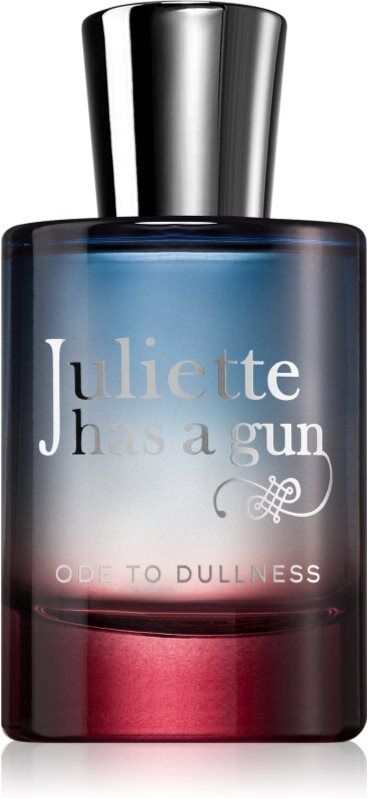
Juliette has a gun Ode To Dullness EDP U 100 mlJuliette has a gun Ode To Dullness, 100 ml, Eaux de Parfum unisex, Fresh but still mysterious. Modern, yet timeless. The composition of Juliette has a gun Ode To Dullness unisex Eau de Parfum is absolutely perfect both for women and men. unique fragrance for a unique personality for both women and men83,90 £*Shipping: 3,99 £Secure redirect to the provider
-
Juliette has a gun Ode To Dullness EDP U 50 mlJuliette has a gun Ode To Dullness, 50 ml, Eaux de Parfum unisex, Fresh but still mysterious. Modern, yet timeless. The composition of Juliette has a gun Ode To Dullness unisex Eau de Parfum is absolutely perfect both for women and men. unique fragrance for a unique personality for both women and men63,00 £*Shipping: 3,99 £Secure redirect to the provider
-
Uplifted Finds "Handcrafted ""Little Weed Nugget"" Plush Artisanal Stuffed Toy In Display Jar Executive Lifestyle & Creative Sanctuary Handcrafted ""Little Weed Nugget"" Plush Artisanal Stuffed Toy In Display Jar Executive Lifestyle & Creative San"Inaugurate a playful ""RelaxationSanctuary"" energy in your environment with our Handcrafted Weed Nugget Plush. This premium stuffed miniature is the ultimate designer solution for creating a ""WittyModern"" or ""ExecutiveStudioLuxe"" atmosphere in any..."33,97 $*Shipping: 0,00 $Secure redirect to the provider
-
What is the interpretation of Ode to Joy?
'Ode to Joy' is a poem written by Friedrich Schiller and later set to music by Ludwig van Beethoven in his Ninth Symphony. The interpretation of 'Ode to Joy' is that it celebrates the universal themes of unity, brotherhood, and joy. It conveys a message of hope and the belief in the inherent goodness of humanity, encouraging people to come together in harmony and peace. The powerful and uplifting nature of the music and lyrics have made 'Ode to Joy' a timeless anthem of joy and solidarity. **
-
What are the note names of "Ode to Joy"?
The note names of "Ode to Joy" in the key of D major are D, E, F#, G, A, B, C#, and D. These notes make up the melody of the famous piece composed by Ludwig van Beethoven. The song is often played in various arrangements and instruments, but these note names remain consistent throughout. **
-
What is the meter in Schiller's Ode to Joy?
The meter in Schiller's Ode to Joy is predominantly in iambic tetrameter, which means each line has four metrical feet, and each foot consists of an unstressed syllable followed by a stressed syllable. This meter gives the poem a flowing and rhythmic quality, which complements the uplifting and celebratory theme of the ode. The consistent meter also helps to create a sense of unity and coherence throughout the poem. **
-
What do these two sentences from Ode to Joy mean?
These two sentences from Ode to Joy mean that all people on Earth should come together in unity and brotherhood, transcending any barriers that may divide them. The idea is to embrace each other with a loving heart, symbolizing a sense of universal kinship and harmony among all human beings. The poet is calling for a world where peace and understanding prevail, and where everyone is treated with compassion and empathy. **
Similar search terms for Ode
-
Multisell Products Hub Handcrafted Stained Glass Bird Ornament Unique Sunlit Decor For Home & Garden Handcrafted Stained Glass Bird Ornament Unique Sunlit Decor For Home & GardenThis handcrafted stained glass bird ornament adds vibrant color and charm to your space by reflecting sunlight in stunning, colorful patterns. Its perfect for windows, gardens, and as a thoughtful gift.Why This Stained Glass Bird Ornament Belongs in...34,97 $*Shipping: 0,00 $Secure redirect to the provider
-
Can you give a presentation about the Ode to Joy?
Certainly! The "Ode to Joy" is a famous musical piece that is the final movement of Beethoven's Symphony No. 9. It is a choral symphony that features a setting of Friedrich Schiller's poem "An die Freude" (Ode to Joy) and is considered one of Beethoven's greatest works. The piece is known for its uplifting and celebratory melody, and its message of universal brotherhood and joy. The "Ode to Joy" has been used in numerous cultural and political contexts and is often associated with themes of unity and peace. **
-
What is the analysis of the symphony Ode to Joy?
The symphony "Ode to Joy" is the final movement of Beethoven's Symphony No. 9 in D minor. It is a choral symphony that features a full orchestra, solo vocalists, and a choir. The symphony is known for its powerful and uplifting melody, which is based on Friedrich Schiller's poem "Ode to Joy." The music is often interpreted as a celebration of the universal brotherhood of humanity and the triumph of joy over suffering. The symphony's use of a choir and soloists in the final movement adds a sense of grandeur and unity to the piece, making it one of Beethoven's most iconic works. **
-
Why was "Ode to Joy" chosen as the EU anthem?
"Ode to Joy" was chosen as the EU anthem because it is a symbol of unity, peace, and solidarity among European nations. The lyrics, written by Friedrich Schiller, celebrate the universal brotherhood of humanity and the joy of coming together. The melody composed by Ludwig van Beethoven is powerful and uplifting, making it a fitting choice to represent the values and aspirations of the European Union. **
-
What is the modern text of the song "Ode to Joy"?
The modern text of the song "Ode to Joy" is based on Friedrich Schiller's poem of the same name. The lyrics celebrate the unity of all mankind and the joy of brotherhood. The most well-known version of the song is the one used in Beethoven's Symphony No. 9, where the text is sung in the final movement. **
* All prices are inclusive of VAT and, if applicable, plus shipping costs. The offer information is based on the details provided by the respective shop and is updated through automated processes. Real-time updates do not occur, so deviations can occur in individual cases. ** Note: Parts of this content were created by AI.